Fudgy Chocolate and Nut Logs or Bars
The filling for these delectable chocolate treats is super easy to make - ideal for little edible Christmas gifts. It’s also pretty stable once set, so the finished product is easy to wrap and store. You’ll need a mould of...
$0.00

Almond Joy Fudge
$0.00
Almond Joy Fudge
Studded with almonds this fudge is looks like mosaic when sliced. Its easy enough for kids to make and adults will love it, its also very quick– a godsend when you realise at 9 pm on Friday night you were...
$0.00

Pull-apart Wreath with Quick Pesto Dip
In the Christian tradition the wreath is a symbol of God's unending love and the wreath shape somehow always seems welcoming and generous to me. It's pretty simple to arrange you bread into a circle instead of rows; and it...
$0.00


Christmas Tree Party Nibbles
Fun to make and far too easy to eat. If the tree part is too much faff, you could just twist the strips like a cheese straw. Ingredients 1 tsp oil 2 rashers bacon, finely chopped ½ an onion, finely...
$0.00
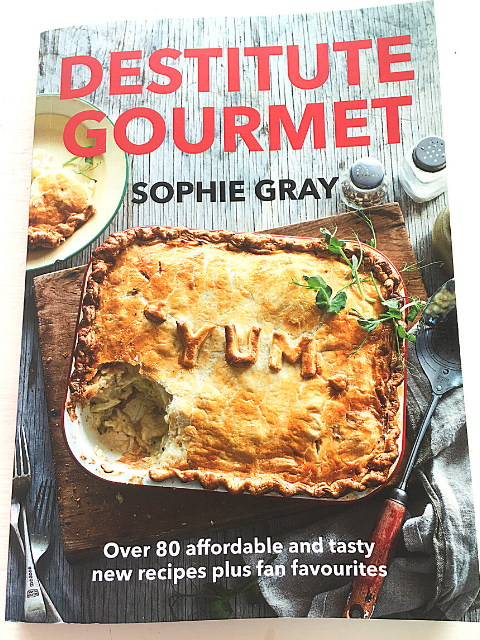
Sophies Latest Book
Buy it now
More with Less
Tricks and recipes to make the $ go further
Christmas Tree Party Nibbles
Recipe